
Handcrafted Leather Straps: Care and Quality

When you invest in a watch, the strap is more than just a functional piece - it’s a statement of style and personality. Handcrafted leather straps elevate your timepiece with a touch of artisanal charm and timeless elegance. I’ve always admired how these straps blend tradition with craftsmanship, creating something truly unique. But to keep that beauty intact, proper care is essential. Let’s explore how you can maintain the quality of your leather straps and appreciate the artistry behind them.
Why Choose Handcrafted Leather Straps?
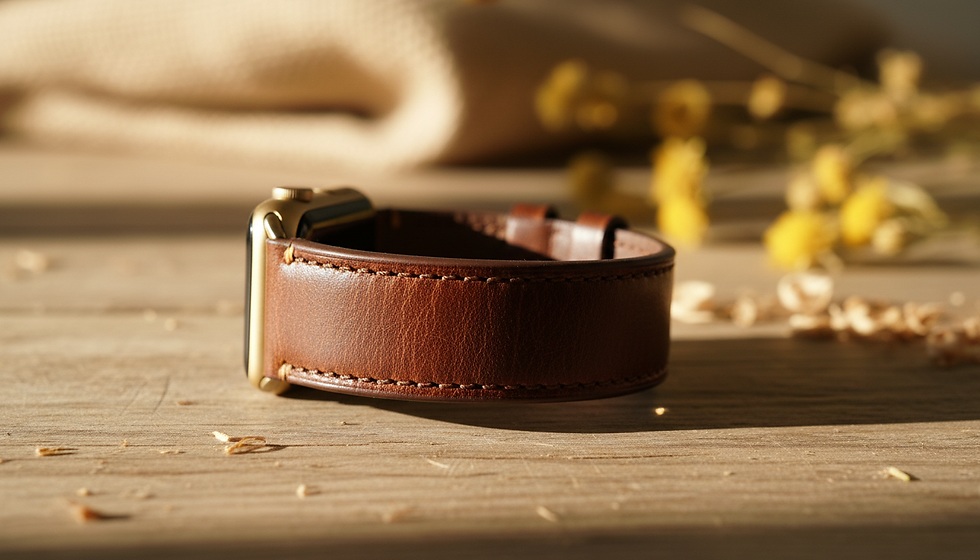
Handcrafted leather straps are not mass-produced accessories; they are carefully made by skilled artisans who understand the nuances of leather. Each strap tells a story through its texture, color, and stitching. Unlike synthetic alternatives, genuine leather ages gracefully, developing a patina that reflects your lifestyle and personality.
Choosing handcrafted leather straps means you’re embracing quality materials and expert workmanship. The leather is often sourced from premium hides, tanned naturally to preserve its durability and softness. The leather is hand carved and painted by skilled artisans paying attention to the fine details.
For example, a strap made from vegetable-tanned skirting leather will develop a warm, rich patina over time, making your watch uniquely yours. This natural aging process is something synthetic bands simply cannot replicate.

Caring for Your Handcrafted Leather Straps
Leather is a living material that responds to its environment. To keep your handcrafted leather straps looking their best, you need to treat them with care and attention. Here are some practical tips I’ve found invaluable:
Avoid Water Exposure: Too much water can certainly dry out the leather strap which causes the leather to crack. Even though some straps are treated to resist moisture, prolonged exposure can cause the leather to stiffen or discolor. If your strap gets wet, simply blot dry with a soft cloth. Avoid submerging the leather strap in water, such as bathing, swimming, etc.
Keep Away from Direct Sunlight: Prolonged sun exposure can fade the leather and dry it out. Store your watch in a cool, shaded place when not in use.
Clean Regularly: Use a soft, dry cloth to wipe away dust and dirt. For deeper cleaning, a damp cloth with a mild soap solution works well but avoid soaking the leather.
Condition the Leather: Every few months, apply a leather conditioner or cream designed for watch straps. This nourishes the leather, keeping it supple and preventing cracks.
Rotate Your Straps: If you own multiple straps, rotate them regularly. This gives each strap time to rest and reduces wear.
By following these steps, you’ll extend the life of your leather strap and maintain its luxurious feel.
The Craftsmanship Behind Handcrafted Leather Straps
The beauty of handcrafted leather straps lies in the meticulous process behind their creation. From selecting the right hide to the final stitch, every step requires skill and patience.
First, artisans choose high-quality leather, often full-grain or top-grain, prized for its strength and natural markings. The leather is then cut by hand, ensuring precision and minimizing waste. Next comes the design, which is hand carved into the leather and then hand tooled and painted creating a piece of art. Next comes the edge finishing, where edges are beveled and burnished to a smooth finish.
Finally, the strap is treated with oils and antiqued to enhance its texture and tooled design. This careful attention to detail results in a strap that not only looks stunning but also stands the test of time.

Choosing the Right Leather Strap for Your Watch
Selecting the perfect leather strap involves more than just picking a color or style. Consider the type of leather, the finish, and how it complements your watch and lifestyle.
Watch style: Apple, Samsung, Garmin, Google Pixel and more
Watch size: for apple 38-40-41-(series 10)42 / 42-44-45-46
Design: Hand-carved, embossed or custom
Watch Length: Length should fit comfortably around your wrist without excess.
By paying attention to these details, you’ll find a strap that enhances your watch’s character and suits your daily wear.
Why Quality Matters in Leather Watch Bands
Quality is the cornerstone of any accessory that you wear daily. A well-made leather strap not only looks better but also performs better. Inferior leather can crack, peel, or lose color quickly, diminishing your watch’s overall appeal.
When you invest in handcrafted leather watch bands, you’re choosing durability and style that lasts. These bands are designed to age beautifully, becoming more comfortable and unique with time. The craftsmanship ensures that every stitch holds firm, and the leather resists wear and tear.
Moreover, quality leather straps offer a tactile experience that synthetic bands cannot match. The softness against your skin, the subtle scent of leather, and the way the strap molds to your wrist create a connection between you and your watch.
Keeping Your Leather Straps Fresh and Stylish
Over time, even the best leather straps need a little refresh. Here are some tips to keep your straps looking fresh and stylish:
Rotate and Rest: Give your straps a break to prevent overuse and sweat buildup.
Store Properly: Keep straps in a breathable pouch or box to avoid dust and humidity.
Replace When Needed: When your strap shows signs of excessive wear, don’t hesitate to replace it. A new strap can transform your watch’s look instantly.
By maintaining your leather straps, you ensure they remain a cherished part of your collection for years to come.
Handcrafted leather straps are more than just watch accessories - they are expressions of craftsmanship and personal style. With the right care and attention, these straps will accompany you through countless moments, aging gracefully and telling your story. Whether you’re dressing up for a special occasion or adding a touch of elegance to everyday wear, a quality leather strap is a timeless choice that never goes out of fashion.


Comments